What Diabetic Supplies Can I Sell? A Complete Guide for First-Time Sellers
- Updated July 11, 2026
- 11-minute read
- Reviewed by Sell Your CGM Editorial Team
⚡ Quick Answer
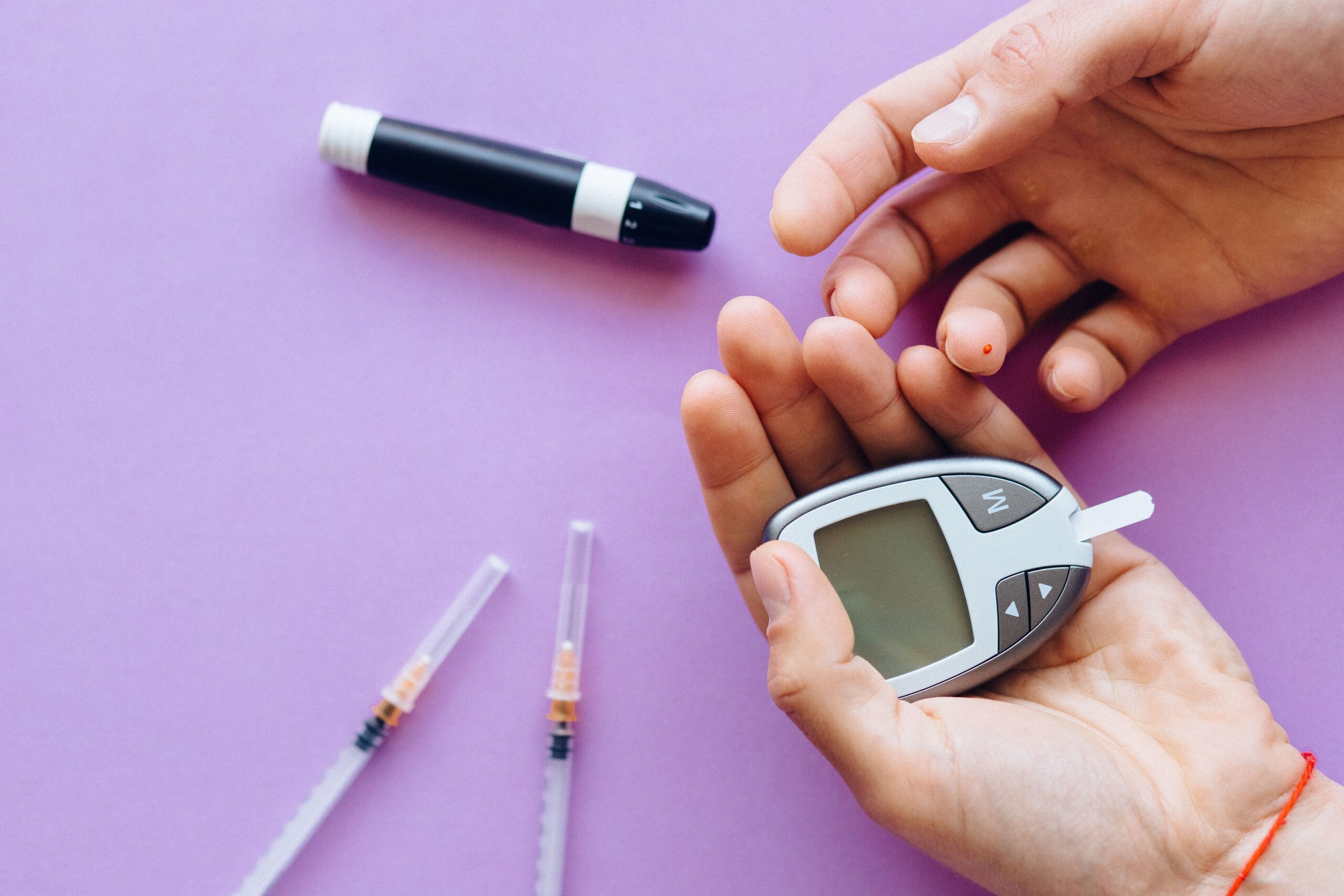
If you’re wondering what diabetic supplies can I sell, many buyers commonly review unopened diabetic test strips, CGM sensors, insulin pump supplies, lancets, pen needles, and other eligible diabetes-related products. Whether a product qualifies depends on factors such as its condition, remaining shelf life, original packaging, and the buyer’s current eligibility requirements.
Why People Search “What Diabetic Supplies Can I Sell”
Many people discover unused diabetic supplies after changes in their diabetes management routine. Switching from traditional blood glucose testing to a continuous glucose monitoring (CGM) system, receiving duplicate supplies, or simply finding unopened products while organizing medical storage can leave sellers wondering whether those items may qualify for submission.
Although there are many types of diabetic supplies, not every product is accepted by every buyer. Eligibility requirements can vary based on the product category, packaging condition, expiration date, and other evaluation criteria. Understanding these factors before preparing a shipment can help reduce confusion and make the submission process smoother.
In this guide, you’ll learn which diabetic supplies are commonly reviewed by buyers, what factors may affect eligibility, how to prepare products before shipping, and common mistakes that first-time sellers should avoid.
Why Many People Have Extra Diabetic Supplies
Unused diabetic supplies are more common than many people realize.
Several situations can leave someone with products they no longer need.
Examples include:
- Switching from finger-stick testing to CGM
- Changes in diabetes management plans
- Receiving duplicate supplies
- Automatic refill shipments
- Having extra supplies after changing devices
- Purchasing backup products that were never used
Rather than allowing these products to remain in storage, many people choose to review their inventory and determine whether eligible items may qualify for submission.
What Diabetic Supplies Are Commonly Reviewed by Buyers?
Although every buyer has different requirements, several categories of diabetic supplies are commonly accepted for evaluation.
Diabetic Test Strips
Factory-sealed diabetic test strips remain one of the most frequently submitted products.
Buyers generally review:
- Original packaging
- Product labels
- Expiration date
- Overall condition
If you’re new to the process, reading this guide on how to sell test strips online can help you understand the typical submission process before preparing your supplies.
Continuous Glucose Monitoring (CGM) Sensors
Many buyers also review eligible CGM products.
These may include unopened sensors that remain in their original manufacturer packaging.
Common evaluation factors include:
- Factory seals
- Packaging condition
- Expiration date
- Product identification
Before submitting CGM products, inspect each box carefully to ensure it remains unopened and undamaged.
Insulin Pump Supplies
Certain buyers also evaluate eligible insulin pump supplies.
Examples may include:
- Infusion sets
- Reservoirs
- Compatible pump accessories
Acceptance varies depending on current buyer requirements.
Lancets
Some companies also review unopened lancets.
As with other diabetic supplies, buyers generally inspect:
- Original packaging
- Product condition
- Expiration date (when applicable)
Not every buyer accepts every product category, making it important to review submission requirements beforehand.
Pen Needles
Unused pen needles may also qualify depending on the buyer.
Products are generally expected to remain:
- Factory sealed
- Clean
- Properly labeled
- In original packaging
What Factors Determine Whether Supplies Qualify?
Many sellers assume the product type alone determines eligibility.
In reality, buyers usually review several factors together.
Product Condition
Products should remain in excellent condition before submission.
Buyers typically review:
- Torn packaging
- Water damage
- Crushed boxes
- Missing labels
- Signs of tampering
Even eligible products may require additional review if packaging has been damaged.
If you’re unsure whether damaged packaging may affect your submission, our article about whether buyers accept open boxes of diabetic supplies explains what buyers commonly look for during inspection.
Expiration Date
Expiration dates are one of the first details buyers review.
Products with more remaining shelf life may have broader eligibility depending on the buyer’s current requirements.
Before preparing your shipment:
- Locate every expiration date
- Compare products by remaining shelf life
- Separate products approaching expiration
Reviewing expiration dates in advance helps you better organize your submission.
If some of your supplies are approaching expiration, you may also find it helpful to read about whether buyers accept near-expiry test strips and the best time to sell.
If your boxes have only a few months of shelf life remaining, our guide on selling test strips expiring in three months explains additional considerations before submitting them.
Factory-Sealed Packaging
Most buyers expect products to remain unopened.
Factory seals help verify that supplies have not been opened or altered.
Avoid:
- Opening boxes
- Attempting to reseal products
- Damaging manufacturer packaging
Once original packaging has been opened, products may no longer meet buyer eligibility requirements.
Product Labels
Labels provide important product information during evaluation.
Before shipping:
- Leave manufacturer labels intact.
- Avoid writing on packaging.
- Follow the buyer’s instructions regarding personal information.
Original product information helps buyers verify submitted items.
How Buyers Typically Evaluate Diabetic Supplies
Although every company follows its own process, many buyers evaluate diabetic supplies using similar criteria.
|
Evaluation Area |
What Buyers Commonly Review |
|
Product type |
Accepted product categories |
|
Packaging |
Factory sealed and unopened |
|
Condition |
Clean and undamaged |
|
Labels |
Original product information visible |
|
Expiration |
Meets current submission requirements |
Each product is generally reviewed individually during evaluation.
Step-by-Step: How to Prepare Your Supplies
Preparing supplies before submission helps reduce avoidable issues later.
Step 1: Gather Every Eligible Product
Start by collecting all unopened diabetic supplies from storage.
Check:
- Cabinets
- Closets
- Medical storage bins
- Travel supplies
Many people discover products they forgot they had.
Step 2: Separate Products by Category
Organize supplies into groups.
For example:
- Test strips
- CGM sensors
- Pump supplies
- Lancets
- Pen needles
Grouping products makes inventory easier to review.
If you’re preparing several different eligible products at once, our guide on bundling diabetic supplies offers helpful organization tips before shipment.
Step 3: Inspect Every Package
Review each item individually.
Look for:
- Factory seals
- Undamaged packaging
- Clear labels
- Visible expiration dates
Products showing significant damage may require additional review.
Step 4: Review Current Buyer Requirements
Every buyer has different submission guidelines.
Before preparing a shipment, review:
- Accepted product categories
- Packaging expectations
- Current expiration requirements
- Submission instructions
Following current requirements helps reduce unnecessary delays.
Step 5: Prepare Products for Shipping
Once you’ve confirmed your products meet the buyer’s requirements, package them carefully.
Use:
- A sturdy shipping box
- Protective cushioning
- Secure packing materials
Proper packaging helps protect supplies during transit.
For additional recommendations, see our complete guide on how to package test strips safely for shipping before sending your supplies.
Common Misconceptions About Selling Diabetic Supplies
People searching “what diabetic supplies can I sell” often come across outdated or conflicting information. Understanding a few common misconceptions can help you make better decisions before submitting your products.
“Every Diabetic Supply Qualifies”
Not necessarily.
Different buyers review different product categories, and eligibility requirements may change over time. A product accepted by one buyer may not be accepted by another.
Before preparing your shipment, always review the buyer’s current submission guidelines.
“Older Supplies Never Qualify”
Not always.
Products approaching their expiration date may still qualify depending on the buyer’s current requirements. However, eligibility often becomes more limited as expiration approaches.
If you’re unsure whether your products still qualify, you may find our guide on whether expired test strips are worth anything helpful.
“Condition Doesn’t Matter”
Condition is one of the most important parts of the evaluation process.
Buyers typically review:
- Factory seals
- Packaging
- Labels
- Visible damage
- Expiration date
Even small issues may require additional review.
“Every Brand Has the Same Value”
Product categories and brands are evaluated differently.
Several factors may influence buyer interest, including:
- Remaining shelf life
- Product availability
- Packaging condition
- Current demand
- Buyer requirements
If you’re curious about the factors that influence product value, read our Test Strip Resale Value Guide for a broader overview.
Real-World Example
Imagine someone recently transitioned from traditional blood glucose testing to a CGM system.
While organizing their supplies, they discover:
- Four unopened boxes of test strips
- Two unused CGM sensors
- One unopened box of lancets
- Extra pen needles
Instead of assuming every product qualifies, they:
- Separate supplies by category
- Check expiration dates
- Inspect packaging
- Review buyer requirements
- Package eligible products carefully
By taking these steps before shipping, the submission process becomes much more organized and helps reduce avoidable issues during evaluation.
Seller Checklist Before Submitting Diabetic Supplies
Before preparing your shipment, review each item carefully.
Product Checklist
✔ Factory-sealed packaging
✔ Original manufacturer labels
✔ Packaging is clean and undamaged
✔ Expiration dates are clearly visible
✔ Product information is accurate
✔ Supplies match the buyer’s accepted product categories
✔ Shipment follows current submission guidelines
Taking a few extra minutes to review your inventory can help create a smoother submission experience.
Tips for Organizing Your Supplies
Whether you’re submitting one product or several, organization makes the process much easier.
Consider these best practices:
- Group similar products together.
- Separate products by expiration date.
- Protect boxes from moisture and crushing.
- Keep manufacturer packaging intact.
- Store products in a cool, dry place until shipment.
Keeping products organized before shipping also makes it easier to verify quantities and product information during submission.
Frequently Asked Questions
What are the most important things to know about what diabetic supplies can I sell?
The most important factors include product type, packaging condition, expiration date, and whether the product meets the buyer’s current eligibility requirements. Reviewing these details before shipping can help reduce unnecessary delays.
Are there common misconceptions surrounding what diabetic supplies can I sell?
Yes. Many people believe every unopened diabetic product automatically qualifies. In reality, buyers may have different requirements regarding accepted products, packaging condition, and remaining shelf life.
How can someone evaluate whether their items qualify?
Start by checking:
- Product category
- Factory seals
- Packaging condition
- Expiration date
- Manufacturer labels
Then compare your products against the buyer’s current submission guidelines.
What steps should be followed to avoid common pitfalls?
To help create a smoother submission process:
- Review every product individually.
- Verify expiration dates.
- Keep products unopened.
- Protect supplies during shipping.
- Follow the buyer’s current instructions carefully.
How can I estimate what my diabetic supplies may be worth?
Although product values vary based on several factors, reviewing your product category, expiration date, and condition can provide a better understanding of what buyers commonly evaluate. Our guide on how much a test strip box may be worth explains the factors that commonly influence product evaluations.
Final Thoughts
If you’ve been wondering what diabetic supplies can I sell, the first step is understanding that eligibility depends on more than simply having unused products. Buyers generally evaluate product type, packaging condition, expiration dates, factory seals, and current submission requirements before determining whether supplies qualify.
Taking time to inspect your inventory, organize eligible products, and review current buyer guidelines can help simplify the submission process and reduce avoidable issues during evaluation.
Whether you have diabetic test strips, CGM sensors, insulin pump supplies, lancets, or pen needles, reviewing your products before they approach expiration allows you to better understand your available options.
If you’re ready to begin, Sell Your CGM provides information about accepted products, submission requirements, shipping guidelines, and the evaluation process to help sellers determine whether their diabetic supplies may qualify before preparing a shipment.
In This Guide
- Why People Search “What Diabetic Supplies Can I Sell”
- What Diabetic Supplies Are Commonly Reviewed by Buyers?
- How Buyers Typically Evaluate Diabetic Supplies
- Step-by-Step: How to Prepare Your Supplies
- Common Misconceptions About Selling Diabetic Supplies
- Seller Checklist Before Submitting Diabetic Supplies
- Faqs